
Янкай Вэнь, доктор философии
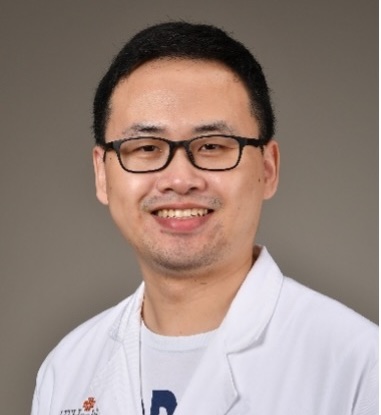
Премия за пилотное исследование
50,000 XNUMX долларов США за год
Научно-медицинский центр Техасского университета в Хьюстоне
The role of macrophage-derived hypoxia-inducible factor 2 alpha in liver regeneration
The liver is the only organ that can totally regenerate itself after injury or surgery, making liver resection a life-saving treatment for liver cancer and other liver diseases. However, when the liver fails to regenerate adequately after major resection, a deadly condition called post-hepatectomy liver failure (PHLF) can occur, with mortality up to 80%. Similarly, when a partial donor liver is transplanted and cannot meet the recipient's needs after liver transplantation, small-for-size syndrome (SFSS) develops, with long-term survival below 30%. Despite this urgent clinical need, no approved therapy currently exists to enhance liver regeneration in these settings. Our research focuses on liver immune cells called macrophages, which are the central players in helping the liver heal after injury. We discovered that a protein called hypoxia-inducible factor 2 alpha (HIF2a) in liver macrophages plays a critical and previously unknown role in promoting liver regeneration. Mice lacking HIF2a specifically in macrophages showed significantly impaired regeneration after liver surgery. We further found that macrophage-derived HIF2a drives regeneration by stimulating the production of a signaling protein called Wnt2, which triggers liver cells to multiply and regenerate. This project will define how HIF2a controls Wnt2 production in macrophages and will test whether boosting macrophage-HIF2a activity through genetically modified mice or by transferring HIF-activated macrophages can promote liver regeneration and improve outcomes after liver surgery. If successful, this research could lead to new macrophage-based therapies to promote liver regeneration and prevent PHLF and SFSS.