
Шуан (Сэмми) Ван, доктор философии
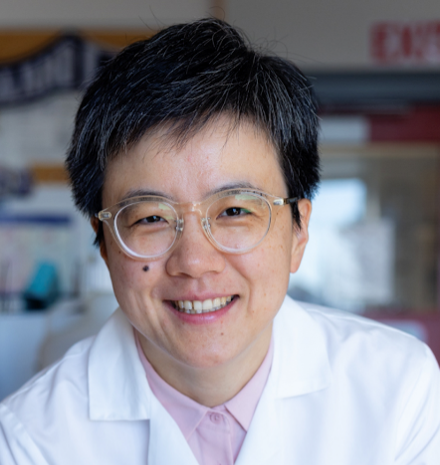
Премия за пилотное исследование
50,000 XNUMX долларов США за год
Медицинская школа Icahn на горе Синай
Restoring Midzonal Hepatocyte Identity to Improve Regenerative Capacity in Chronic Liver Disease
Chronic liver diseases including MASLD/MASH (Metabolic Dysfunction-Associated Liver Disease/Steatohepatitis) are projected to affect 30% of the global population by 2031. In advanced disease stages the liver fails to regenerate leading to cirrhosis and liver failure, with the only curative option being liver transplantation that is severely limited by the number of available donors. Thus there is an urgent need for a better understanding of disease drivers in order to come up with better treatment options. While the healthy liver has a remarkable regenerative capacity that is conserved across different species, diseased livers lose this ability. Modelling this phenomenon in mice, we found that a subset of liver cells that are normally highly regenerative lose this unique ability and become depleted in disease. Furthermore, a recent FDA approved drug that reduced fat in liver was able to reinstate these liver cells that are lost in MASH and restore liver regeneration. In the proposed study we will further characterize this subset of liver cells that are lost in MASH in order to understand what led to their loss in disease and find ways to more effectively restore them to improve regeneration. Our work not only explains why the liver fails to regenerate in disease but highlight a specific subset of liver cells as the key to rejuvenate the liver’s regenerative capacity.