
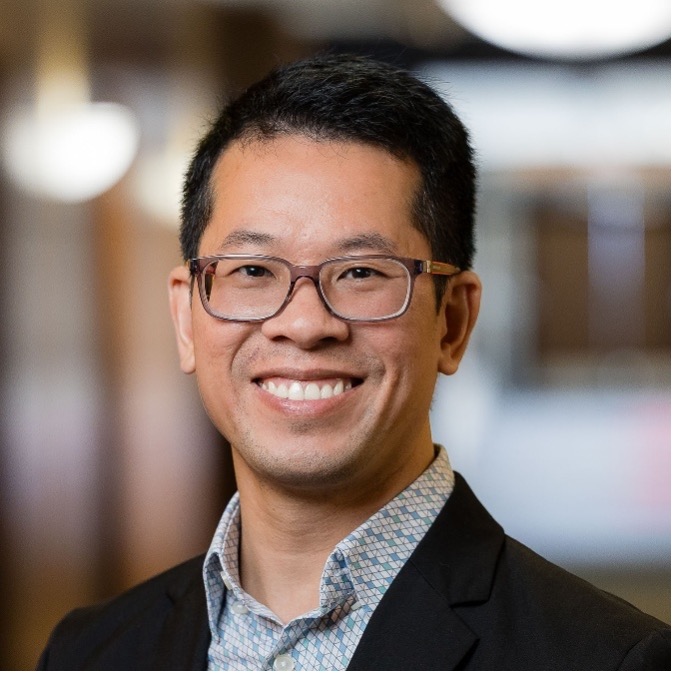
Дык-Хуй Нгуен, доктор философии.
Премия за пилотное исследование
50,000 XNUMX долларов США за год
University of Wisconsin-Madison (Board of Regents University of Wisconsin System)
Hepatic Lymphatic Vessels in Liver Regeneration: Mechanisms and Therapeutic Potential
The liver plays a vital role in keeping the body healthy by processing nutrients, removing toxins, and regulating immune responses. A specialized type of cells that form the liver blood vessels, called liver sinusoidal endothelial cells (LSECs), is essential for these functions. When these cells lose their unique identity, liver diseases such as fatty liver disease, fibrosis, and cirrhosis can manifest and worsen. Despite their importance, scientists still do not fully understand how LSECs form and maintain their specialized role in the human liver, limiting the development of targeted therapies. This research aims to uncover the signals that give LSECs their unique identity. Instead of relying on animal models, which often fail to reflect human biology accurately, this project uses advanced human-based laboratory models that mimic the structure and environment of the human liver. By combining genetic engineering with a “liver-on-a-chip” platform to create blood flow and cell interactions, we will study how physical forces from blood flow and signals from liver cells work together to shape LSEC behavior and identity. Understanding these processes will provide new insight into how liver health is maintained and how it breaks down in disease. This work will create better human liver models for research and drug testing and lay the groundwork for new therapies that directly target LSECs. These advances could improve treatment strategies for chronic liver diseases and accelerate progress in regenerative medicine.