
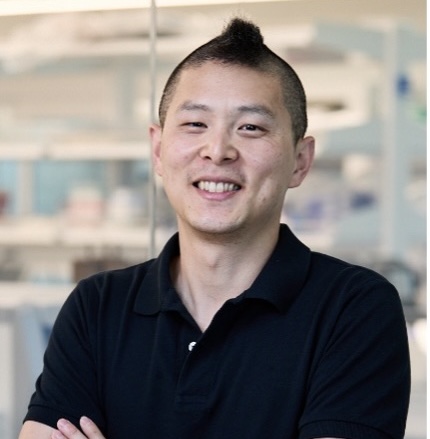
Крис Хсиунг, доктор медицины, доктор философии.
Премия за пилотное исследование
50,000 XNUMX долларов США за год
Регенты Калифорнийского университета в Сан-Франциско
Discovering regulatory DNA elements that contribute to liver fibrosis using CRISPR
Chronic liver diseases often lead to fibrosis, a dysfunctional tissue damage response in which scar tissue build-up interferes with organ function, in severe cases requiring organ transplantation. A key driver of liver fibrosis is hepatic stellate cells, which becomes activated after injury and produces massive amounts of proteins that constitute the excessive scarring. It is known that turning on or off specific proteins is central to the activation of hepatic stellate cells, but it remains unclear how this occurs at the molecular level in fibrosis. Turning on or off proteins is often controlled by parts of human DNA called regulatory elements, but we do not know which ones are involved in hepatic stellate cell activation in fibrosis, as there are millions of such candidate regulatory elements in human DNA. Conventional methods of studying regulatory DNA elements one at a time are too slow and labor-intensive. Instead, this research will use CRISPR, a powerful technology that we have modified to enable turning off tens of thousands of combinations of regulatory DNA elements in a single parallelized experiment to test their possible contributions to hepatic stellate cell activation in liver fibrosis. These efforts will provide new insights into how hepatic stellate cells become activated in liver fibrosis and inspire new anti-fibrotic therapeutic strategies.