Search

Fatty liver disease is often discovered during routine blood tests for other medical conditions. Your blood work may show high levels of liver enzymes, or ultrasounds might reveal your liver is enlarged.

Autoimmune hepatitis is a disease in which the body’s own immune system attacks the liver and causes it to become inflamed. If untreated, it can lead to cirrhosis and liver failure.

Hemochromatosis is an inherited condition in which the body absorbs and stores too much iron that builds up in several organs, especially the liver, and can cause serious damage.
Lysosomal acid lipase deficiency affects the body’s ability to produce this enzyme needed to breakdown fat and cholesterol. When LAL is missing, fats accumulate and lead to liver and heart disease.

Wilson Disease causes the body to retain excess copper. The liver of a person who has Wilson Disease does not release copper into bile as it should.

Cirrhosis is a chronic liver disease marked by progressive scarring and impaired liver function, typically caused by long-term liver injury from conditions such as hepatitis, alcohol use, or metabolic disorders.

This Sunday, September 8th, is International PBC Awareness Day and American Liver Foundation (ALF) is encouraging everyone to know the facts and warning signs of this autoimmune liver disease.

Hepatorenal Syndrome (HRS) is a life-threatening condition that affects kidney function in people with advanced liver disease.

Primary Biliary Cholangitis (PBC) Progresses Slowly, Warning Signs Could be Missed.
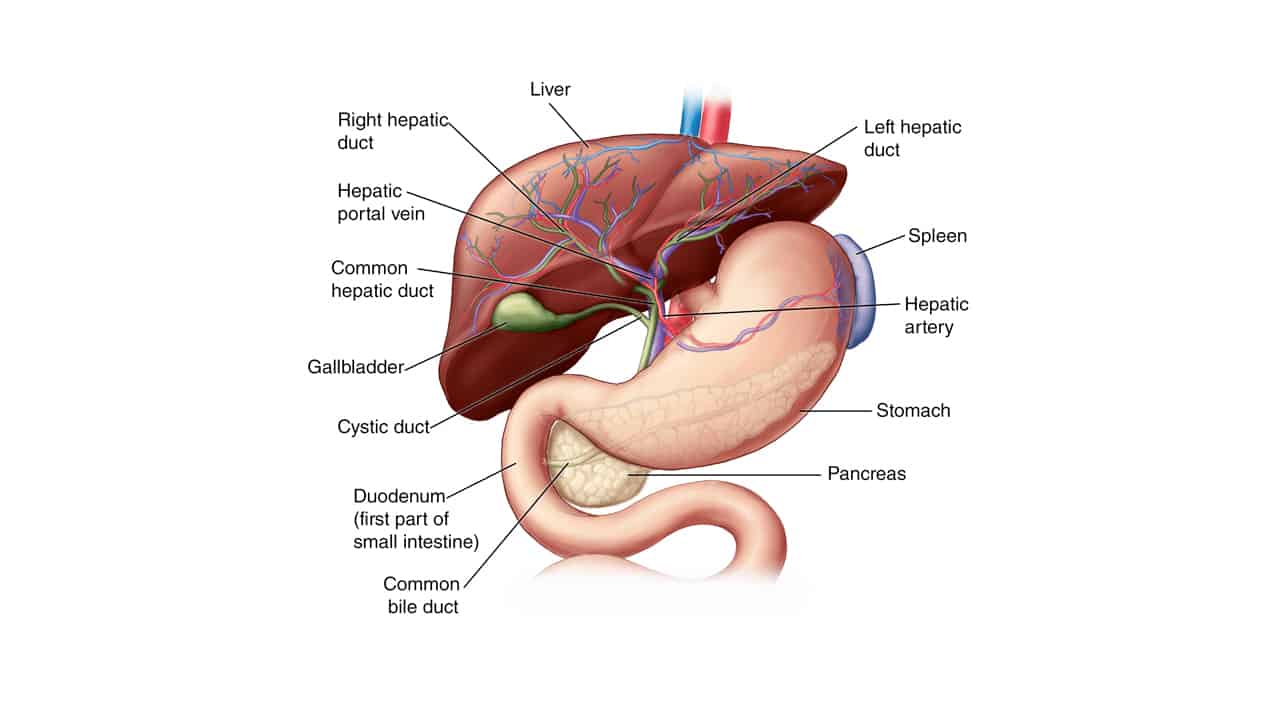
Budd-Chiari Syndrome is disorder in which veins carrying blood out of the liver become narrow and/or blocked due to blood clots.
Learn if you or someone you love is at risk of getting HE, what triggers this complication and how it’s exhibited.
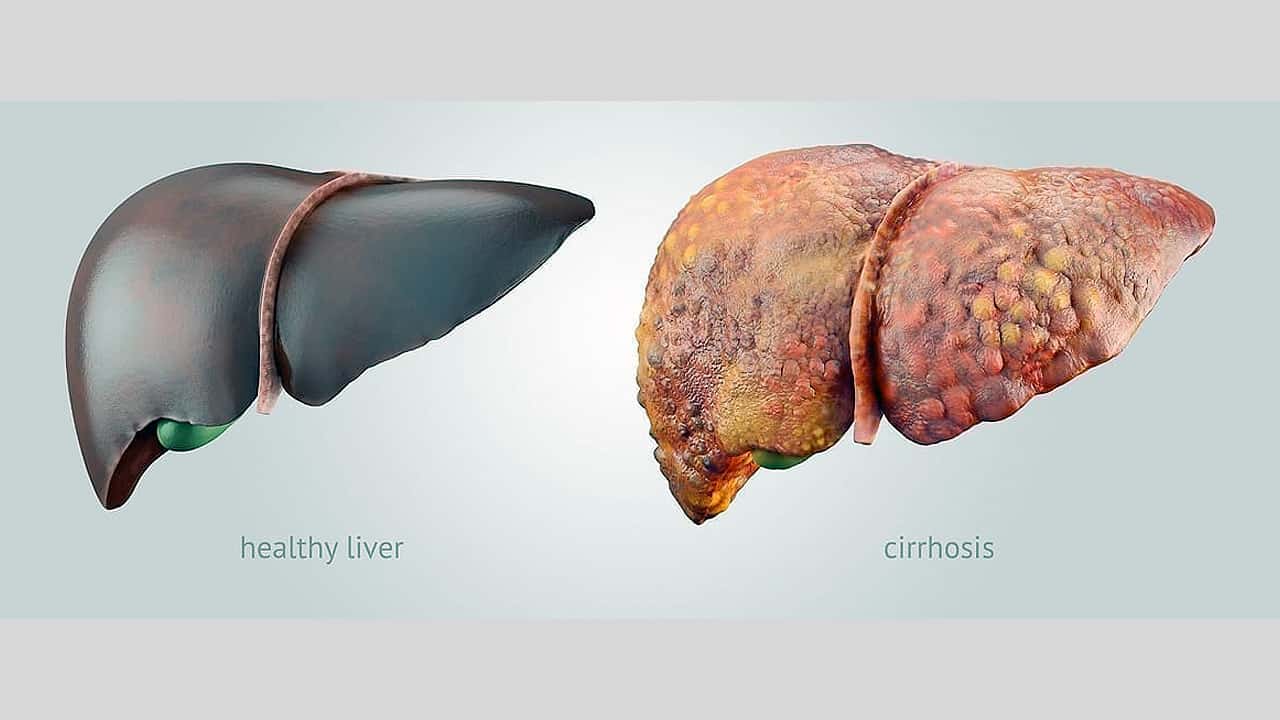
While fibrosis is reversible there is a point where the damage becomes too great and the liver cannot repair itself. There is no treatment that can cure cirrhosis.