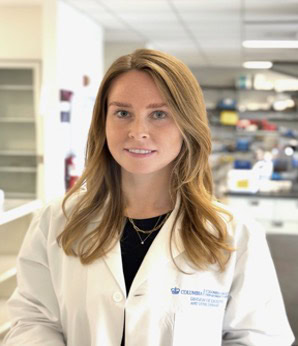
Marcella Steffani, MD, PhD
American Liver Foundation Postdoctoral Research Fellowship Award
$25,000 over one year
Columbia University
TEAD inhibitor-based combination therapy for hepatocellular carcinoma
Mentor: Robert Schwabe, MD
Hepatocellular carcinoma (HCC) is the 4th leading cause of cancer-related death worldwide, causing =780,000 deaths annually. Despite recent advances, including immune checkpoint inhibitor-based therapies such as Atezolizumab+Bevacizumab, the prognosis for patients with advanced HCC remains poor, with a median overall survival of less than 2 years. Importantly, these therapies do not directly target tumor cells but cells in the tumor environment that support tumor growth and shield it from immune attack. The therapeutic effects of tyrosine kinase inhibitors (TKI), such as lenvatinib, are relatively weak, and TKI target both tumor cells and cells in the tumor environment. In summary, the lack of highly effective treatments that directly target tumor cells represents a significant therapeutic gap in HCC. This proposal seeks to address this gap by developing novel and effective therapies for HCC that directly attack tumor cells. We found that the so-called YAP/TAZ-TEAD pathway - a known contributor to tumor growth in many cancers - is activated in >90% of HCC patients. Drugs targeting this pathway, termed TEAD inhibitors (TEADi), exerted strong effects on tumor cells and significantly extended survival in aggressive mouse models of HCC, alone or in combination with already established drugs such as lenvatinib or anti-PD-1. This proposal will further develop these powerful combination therapies and identify additional tumor cell-targeting drugs to improve long-term survival for this deadly tumor.